
Income Tax Slabs Budget 2026: No Relief for Middle Class
thenewsbuzz February 2, 2026 0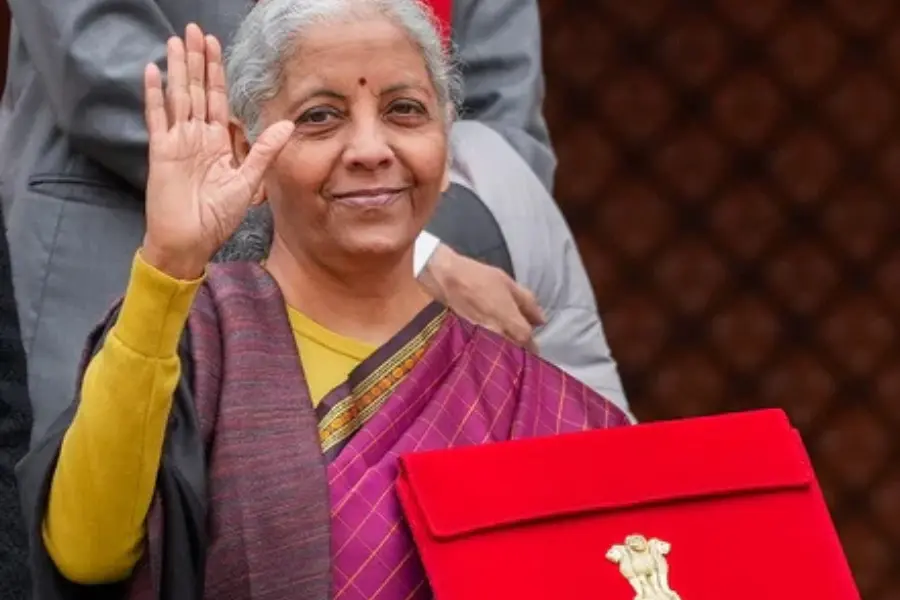
On February 1st, Finance Minister Nirmala Sitharaman made her 9th consecutive announcement regarding the Union Budget. As a result, most salaried people and middle-class citizens anticipated relief from the income tax system. While the Union Budget focused on long-term plans for reform and fiscal stability. Many taxpayers were disappointed in that there were no updates to either tax brackets or tax rates across either regime.
This update explores in detail what impact Budget 2026 had on the income tax system for taxpayers. It includes the most current developments impacting businesses relating to personal finances.
FM Sitharaman’s 9th Budget: Focus on Stability Rather Than Tax Relief
Prior to presenting Budget 2026 to Parliament, the Finance Minister adhered to the tradition of visiting the Finance Ministry at Kartavya Bhavan to deliver her Budget speech after meeting with the President of India, Droupadi Murmu – who has provided her with constitutional advice.
FM Sitharaman’s Budget speech outlined many structural reforms aimed at strengthening the economy. However, in terms of direct tax relief, in particular, income tax reductions, most expectations were not met in that there were no new personal taxpayer’s exemptions, rebates or tax bracket changes in Budget 2026.
Budget 2026 Income Tax Brackets: No changes in Old/New System
The Finance Minister was firm about not adjusting tax rates in both old as well as new income tax regimes.
Current Tax structure:
- Earnings up to ₹ 2,50,000 – 0% Tax
- ₹2,50,001 to ₹5,00,000 – 5% Tax
- ₹5,00,001 to ₹10,00,000 – 20% Tax
- More than ₹10,00,000 – 30% Tax
New Tax Structure:
- Earnings up to ₹4 lakh – 0% Tax
- ₹4 Lakh to ₹8 Lakh (inclusive) – 5% Tax
- ₹8 Lakh to ₹12 Lakh (inclusive) – 10% Tax
- ₹12 Lakh to ₹16 Lakh (inclusive) – 15% Tax
- ₹16 Lakh to ₹20 Lakh (inclusive) – 20% Tax
- ₹20 Lakh to ₹24 Lakh (inclusive) – 25% Tax
- More than ₹24 lakh – 30% Tax
Employees working for a salary were uneasy regarding their lack of salary adjustments due to inflation and growing cost of living, and expected more disposable income.
Prolonged Deadline for Revision of ITR under Certain Conditions
While no changes were made to any tax on income, the Budget 2026 introduced an important change in relation to compliance with tax laws. The Finance Minister recommended that the deadline for the submission of the revised income-tax return (ITR) be extended under the Income Tax Act of 2025.
Revised ITR will now be due on 31st March instead of 31st December
Amended returns submitted after 31st December will be charged a nominal fee, hence the extension will be conditional.
By providing taxpayers with extra time for making amendments to their original filings and by encouraging early compliance, this initiative is intended to help all taxpayers as they discover errors or omissions in the future.
The Results of Tax Payer Budget 2026
In conclusion, Budget 2026 has maintained the present income tax brackets by not providing any fiscal relief financially to the working class population or the middle class population. Focused solely on increasing efficiency through convenience of administration and people’s ability to comply, as opposed to reducing tax rates.
An important point for tax payers who are reviewing what is happening presently in the latest news on business and personal finance is this; while procedural flexibility has increased, there may be significant tax relief to individual taxpayers until there are further financial budgets passed in the future.