Recently, an update by Sumit Ramani, the CEO and co-founder of ProtectMeWell, on social media has caused much discussion. It is related to using wheelchair assistance at airports and possibly taking advantage of this service. This aggressive viral trend on different social media platforms has helped make this a leading topic of discussion throughout trending news posts. This concerns issues of accessibility, ethical considerations and flaws found in the system.
What Happened In The Airport?
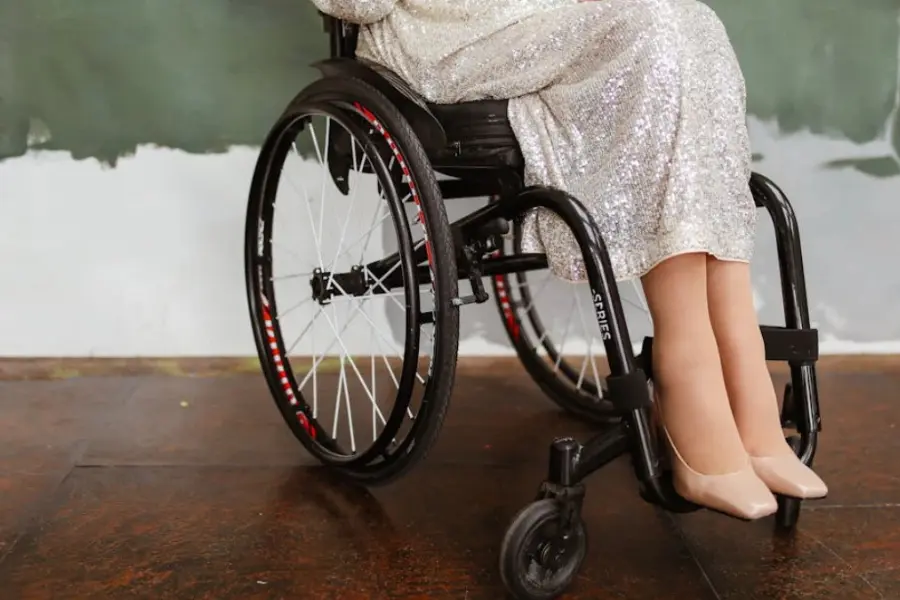
As reported by Ramani, he observed a woman being pushed into the airport lounge in a wheelchair. A short time later, he saw her get up from the wheelchair and start walking through the terminal in high-heeled shoes to order food.
During Ramani’s post, he stated, “I was trying my hardest to not be judgmental about the situation. However, I know that there are several reasons why this might have happened.”
The Response On Social Media
The post quickly went viral, generating numerous responses. Some replied indicating they witness this type of behaviour more often than not. However, many users believed there may have been a valid explanation for the woman’s actions.
Many people highlighted the following points of interest:
- Senior and disabled individuals usually receive complimentary wheelchair assistance when travelling near the airport.
- There are facilities that offer concierge services that cave into a fee for providing wheelchair assistance.
- Some people with different medical conditions may only be able to use leg to walk but cannot travel long distances remaining on foot.
Over the last year, the topic of wheelchairs at Indian airports has been one of the most extensively covered subjects in the current news cycle. Especially with respect to access to these types of amenities.
Misuse or Misunderstanding?
The situation has raised an important question: do these examples represent misuse of complimentary wheelchairs, or are people simply misunderstanding the issue?
Both medical experts and actual users indicated that certain medical conditions, such as chronic pain or mobility issues, may not be visible to the casual observer. Therefore, an individual may need assistance for long distances but still have the ability to walk short distances comfortably.
Simultaneously, people’s concerns about the misuse of complimentary wheelchairs have been heard many times before.
Calls for Greater Regulation
This online discussion has additionally led to discussions about the need for greater regulation. Many users suggested:
- Use of outdoor surveillance cameras to monitor usage
- Impose fines for misuse
- Provide fair access for legitimate needs to disadvantaged travellers
Multiple users expressed that instead of scrutinizing individual travellers. Efforts should be made to improve the systems available to improve the prevention of misuse while still providing assistance to those with legitimate needs.
A Broader Perspective
At airports in India, wheelchair services are provided to ensure convenience and accessibility for all travellers. However, the increase in demand for wheelchair services has brought to the surface operational issues and possible misuse of the service.
As emphasized in trending news today, this situation illustrates a wider discussion about maintaining convenience, equity, and compassion in public services.
Although the Bengaluru CEO’s remarks have generated debate. They also highlight the significance of recognizing invisible disabilities and refraining from hasty conclusions. Concurrently, it initiates an essential conversation about enhancing systems to guarantee that support services are utilized responsibly and effectively reach those in genuine need.