
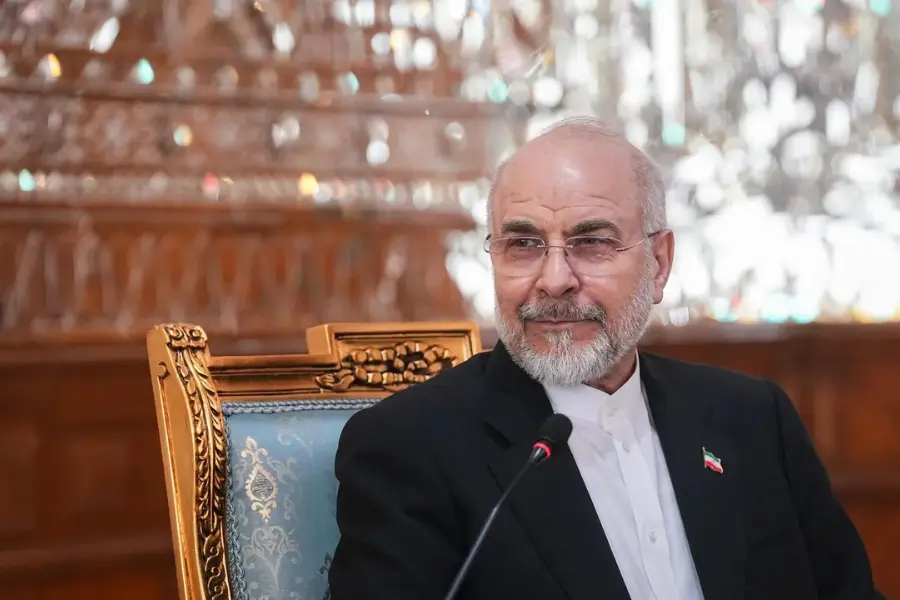
After Tehran announced that it wouldn’t attend the second round of negotiations set to occur in Islamabad, tensions between Iran and the United States have escalated. The announcement came just a few days before the tentative ceasefire agreement of the Middle East is scheduled to end.
Iran’s Rejection of Participation in Negotiations
Iran has denied that a second round of negotiations will occur according to the country’s state media. They are calling these claims “false news.” Iran has stated that under the current atmosphere it came to the conclusion. It would not be able to participate in further negotiations, according to Islamic Republic News Agency (IRNA).
Also, Iran charged Washington with spreading lies to force Iran into negotiations thereby adding tension to an already strained relationship between the countries.
Iran’s Reasons for Exiting Negotiations
Iran mentioned multiple reasons why it made the decision to pull out of negotiations. This includes Tehran’s claim of “unreasonable demands,” inconsistent US statements and insufficiently different positions of US officials.
A major impediment to reaching an agreement remains the ongoing US blockade of Iranian ports. Iran believes that the blockade is a violation of ceasefire agreements as well as a violation of international law. Thus virtually rules out any possibility of productive dialogue.
Iranian officials referenced confrontational language and breaches. It is such as the seizing of an Iranian ship as contributing factors to the escalation of mistrust.
The Iran’s Ambassador to Pakistan Condemns the U.S
Iran’s Ambassador to Pakistan, Reza Amiri Moghadam, stated that the U.S. has been violating international norms but also stated that the U.S. is serious about diplomacy. He warned of possible retaliatory actions if this type of behavior continues, which could further escalate tensions between the two countries.
The U.S. Response and Progress to Date
On the contrary, U.S. President Donald Trump has expressed optimism about reaching an agreement. He indicated that negotiations were progressing positively and that Iran would be presented with a fair and reasonable agreement. There are reports that a senior U.S. delegation, including V.P. JD Vance and Envoy Steve Witkoff, was expected to come to Pakistan to engage in talks.
At this point, Iran’s rejection has created doubts as to whether these negotiations will progress as planned.
Ceasefire Deadline Raises Tensions
The complexity has grown surrounding this situation due to the end of the two-week ceasefire of hostilities in the Middle East. This ceasefire was established as a result of a U.S.-Israeli airstrike on Iran earlier this year and it will expire on April 22. Each side accuses the other of violating the terms of the ceasefire, making it more likely that the fighting will begin again if diplomatic negotiations are not successful.
The two sides have not made any progress in their attempts to reconcile, and the overall situation has deteriorated, so it is uncertain whether they will be able to reach a peaceful solution. Iran does not appear willing to engage in new rounds of negotiations with the United States unless the United States first lifts the embargo against Iran. The United States is still attempting to secure an agreement.
With an increased focus on the area by virtually all nations of the world, this situation has received considerable media coverage in recent news updates and has illustrated the challenges of pursuing diplomacy and maintaining peace in the Middle East.





I’ve been looking for a straightforward way to cut costs without feeling deprived. Your post gave me that, and I’m also curious about their cost-cutting playbook.
The pick screen puts race, class, and zone choices in one place. e1ea6525.