
New York Food Waste: What South Korea Got Right
thenewsbuzz September 18, 2026 2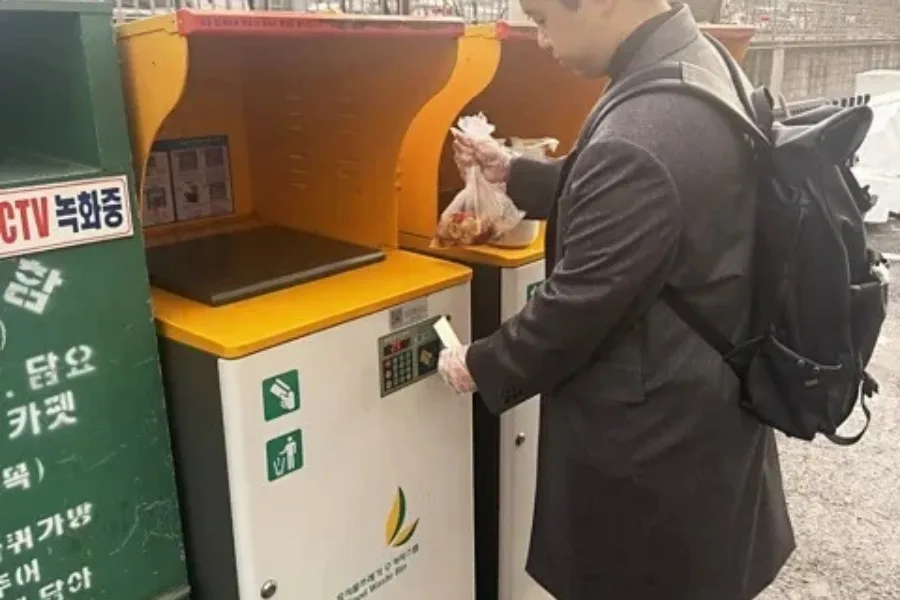
In South Korea, household waste management has taken a remarkable shift. Hereby the disposal of waste through the landfill has declined from 97% to almost zero in the last thirty years. In New York City, initiatives akin to those of South Korea have been put in place to deal with the increasing food waste issue. Therefore, this made it a crucial topic for sustainability and urbanization.
Revolutionizing food waste management in South Korea
The food waste management system in South Korea is considered one of the best systems in the world in terms of recycling. In the past few years, citizens have been sorting the waste, dumping the waste in special RFID smart bins and being charged for the disposal.
By using the pay-as-you-throw system, shutdown habits have changed as people have become more mindful about the food and the amount of waste they throw away. So, with the onset of the food waste management system, the food waste recycling rate in South Korea has increased from 2.6% in 1996 to almost 97% in 2023.
The smart bin system
In Seoul, electronic cards are used to access food waste bins.
The process is simple:
- Swipe the RFID card.
- The trash bin automatically measures the weight of the waste.
- Disposal fees are included in the household bill.
The system promotes families to minimize waste and enhance recycling effectiveness.
What happens to food waste?
Instead of being sent to landfills, food waste is utilized to produce energy in South Korea.
Food waste is processed in biogas plants. Here methane is captured and used to create electricity. Some plants may produce fertilizer and animal fodder out of the organic waste as well.
The Daejeon Bio Energy Centre generates enough electricity to power approximately 6,000 homes a day. South Korea has over 340 similar plants operating today.
Why does New York want to implement this?
In October 2024, New York City made food waste separation mandatory for households in the city. This is the biggest composting program in the country.
Households are required to separate the food waste into separate bins for collection once a week. The city has installed more than 400 smart bins made for composting in the five boroughs of the city.
Authorities hope that this will result in reducing the amount of waste collected in landfills while producing energy as biogas.
What challenges does New York still face?
Even with the new legislation, participation remains an important challenge.
New York has conducted tens of thousands of initiatives for raising awareness and has sent more than 63,000 violation notices to homes that did not properly separate food waste.
The residents have also reported concerns regarding rodents around some outdoor compost bins. It also highlights the need for better maintenance and more community participation.
Takeaway for Other Cities
Therefore, the case of South Korea shows how effective long-standing programs, modern technologies and civic responsibility can reduce the amount of food waste.
Experts believe that urban areas with large apartment complexes like New York can benefit from the introduction of RFID technology in waste management systems. So, this will allow for easy disposal of waste and encourage residents to reduce food waste production.
As the trending news today highlight the importance of addressing climate change and developing sustainable cities, South Korea’s food waste program is becoming an example of how technology and politics may work together to reduce environmental impact.


The 97% to near zero figure is the part that stayed with me. Charging households by weight only works if people actually sort, and that’s a habit, not a policy. In my building the composting push keeps stalling at the same place — a sign-up sheet, a flyer, a form nobody fills in.
This week that form was mine. Our building joined an organics program, and the hauler’s portal wanted a PDF, not a phone photo of a signed sheet and a receipt stapled to it. I used LensUp for that — really just a tool that makes a pdf look scanned, photo to a printable page, with the compression aimed at whatever size the form asks for. It can land a bit over that number, so I dropped a page instead. Two sides of my ID went on one sheet, which saved another upload. The whole thing ran in the browser tab and nothing was uploaded, and I did care about that, since one of the pages had my signature on it.
South Korea’s shift from landfilling nearly all food waste to recycling almost all of it shows how consistent policy, RFID pay-as-you-throw pricing, and civic participation can reinforce each other. New York’s mandatory separation and smart bins are a strong start, but the reported rodent concerns and violation notices suggest the harder work is maintenance, outreach, and making participation easy enough that residents stick with it.
FreezeTag