
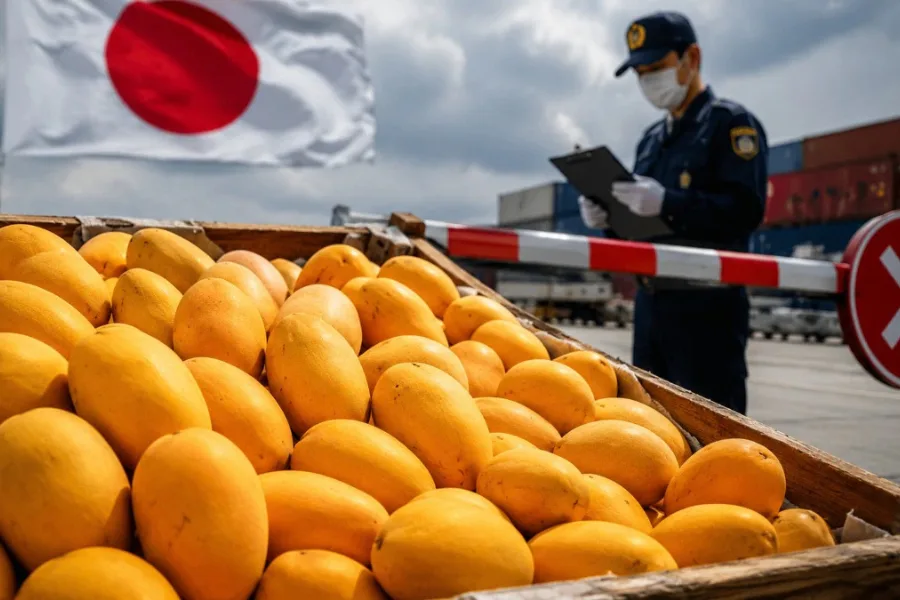
The export of high-quality mango to Japan from India has received an adverse effect. It is due to Japan’s suspension of all imports from India. Also, because of concerns related to pest control measures at the treatment site for Indian mangoes. This suspension comes during the busiest time for Indian mangoes to be exported to Japan. This has created concern among both farmers and exporters. It is impacting those who are affected due to weather conditions. There has been a great deal of interest in health news and the farming community in reference to food safety and agricultural health standards.
Japan’s Suspension of Mango Imports: First Major Limitation in 20 Years
Japan’s decision to implement the first major limitation on the importation of mangoes from India in nearly twenty years. It is a setback to the Indian mango exporters. The previous ban on mangoes entering Japan was due to problems with fruit fly infestations. It have since been resolved through more stringent quarantine and treatment protocols.
Currently the suspension affects many of the popular mango varieties produced in India. It includes Alphonso, Kesar, Lengra, and Banganapalli. These mangoes have large amounts of demand in the upscale global market.
What Caused this Suspension of Importation?
Japan has a very strict policy of having a zero tolerance level for invasive pest species including fruit flies. This can cause huge destruction to Japan’s agriculture. Prior to each mango export season to Japan, Japanese quarantine officials inspect all of India’s Vapour Heat Treatment (VHT) treatment facilities.
As a condition of exporting mangoes, VHT facilities use regulated processes of warm and humid air to treat mangoes to effectively kill fruit flies and larvae from mangoes prior to exporting.
In March 2026 at a VHT facility located in Rehmanpur (Uttar Pradesh), Japanese inspectors discovered violations of fumigation/disinfection practices. The Japanese have not disclosed any specific technical violation. However, their findings resulted in Japan placing additional restrictions on imports.
Japan subsequently announced that Indian mangoes would not be accepted for export without an inspection certificate dated no later than March 25, 2026.
Setback to Indian Mango Producers
While Japan is not the largest importer of Indian mangoes, it is one of the most profitable markets for Indian mango exports due to the high price that they can demand from importers.
India produces approximately 28 million metric tonnes of mangoes annually. It is the largest producer of mangoes in the world. Even though the majority of production is consumed domestically, sales to foreign markets such as Japan provide considerable income to producers and exporters.
Industry experts are concerned that this stoppage might cause a loss of confidence in the quality of Indian agricultural products. This could impact the perception of quality in other importing markets.
Challenges Faced By Farmers
The suspension of exports has exacerbated the pressure placed on mango farmers, and in particular the Alphonso mango crop in Maharashtra.
Due to the impact of extremely hot temperatures and unseasonably dry weather from the El Niño phenomenon, farmers reported losses of nearly 85-90% in some cases. Many farmers are concerned about their ability to generate profits from mango production and exports because of the low supply and export restrictions in place worldwide.
Exporters of mangoes are hopeful that Indian officials will take care of the problems identified by the Japanese inspectors, and re-open access to their markets. This situation highlights the growing importance of food safety, adherence to quarantine regulations, and quality assurance for all agricultural commodities traded across borders, making it an area of great scrutiny and focus in health reports and export industries.