
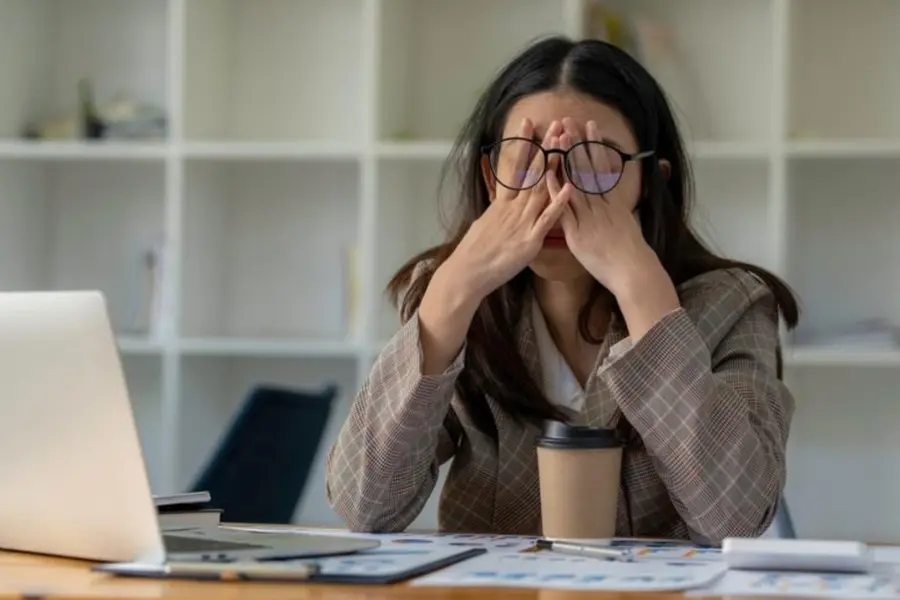
Stress has become a permanent feature of today’s world. Everyone feels stress, from people managing a work deadline to others worrying about finances or struggling with personal issues. Stress is known to be a contributor to many diseases and conditions like heart disease, gastrointestinal disorders. It may include even diminished immune function. But can stress, in fact, even contribute to something as severe as cancer? A Hyderabad oncologist has given his insights to untangle the confusion.
Fact vs. Fiction: the Science Behind It
Dr. Saadvik Raghuram, an Oncologist at Arete Hospitals, revealed this matter of concern through an Instagram post on the 19th of October. He stated that the idea of chronic stress as a risk factor for developing cancer is not as straight forward as people believe. This is despite stress being detrimental to both physical and mental health.
“Does being chronically stressed mean you are at risk of cancer?”
“Let’s separate fear from fact”! The hormones associated with stress can alter cancer tumor growth. Dr. Raghuram said slew of information from laboratories and animal studies have demonstrated. Stress modifies how the immune system functions increases inflammation and disrupts the proper repair of DNA. All of this can provide a breeding ground for healthy cancerous cells to proliferate.
However, he was quick to note that evidence from human trials creates an even more complicated picture. In some studies, long-term stress was correlated with increased risk of cancer. While other studies reported no significant relationship.
Why People Respond Differently in Human Bodies
Dr. Raghuram noted that the human body functions in an extremely complex environment. On the other hand, studies completed in the laboratory do not. “There are many factors – genetics, lifestyle, environment, emotional health. These help to determine what happens in a person’s body,” he continued.
“Even though controlling stress is important for your overall health status, the relationship between stress and cancer in humans is not very conclusive,” he said. “There are just too many biological and behavioral components.”
Dr. Raghuram agrees that stress alone may not cause cancer. It can lead to behaviors that are risk factors to a person’s health – such as excess eating, not getting sleep, smoking and drinking alcohol. Behaviors such as these act over time as a burden on immunity and health status, thereby affecting cancer risk indirectly.
Concentrate on What You Can Manage: Stress Control for a Better Life
Despite worrying if stress is linked to cancer, Dr. Raghuram wants you to focus on what you can manage.
A balanced lifestyle is essential to keeping the body healthy. Regular exercise, actionable food, sleep, sleep, and taking care of mental health can help alleviate the damaging effects of stress for a long period of time.
In addition, he encourages people to practice stress management strategies like meditation, yoga, deep breathing, and/or psychotherapy. “In summary, having a focus on healthy lifestyle practices, regular health checks, and mental health is another good way to mitigate overall health risk,” Dr. Raghuram stated.
The Summary: Reduce Stress, Improve Life
Dr. Saadvik Raghuram ended by saying, “Awareness of stress, its effects, and learning to manage stress can improve quality of life, even if there may be no direct connection to cancer.”
Although science attempts to unravel the complicated relationship between stress and cancer, one point is clear — chronic stress is damaging to our mental and physical health. In terms of your future well-being, doing something about mental health is one of the best things you can do for yourself.
Today’s health news share recommendations from experts like Dr. Raghuram that it’s not simply about eliminating stress – which is nearly impossible – but instead, it’s about coping with it. In the end, peace of mind may be one of the strongest forms of prevention we have.




Dear thenewsbuzz.co.in owner,
Update your company’s information in Eu Business Register for 2026/2027.
Updating is free. Find your form at: ebr-form.pro
новые принтеры kyocera мфу kyocera цена
This was a helpful read. The way you explained “Stress and Cancer Connection Explained by Oncologist – The News Buzz | Latest News” made the main point much clearer.
Seeing a damaged family photo restored and the memory come alive again is why our small team uses and builds Mejorar Calidad de Imagen for Spanish-speaking users; it also reminds me how calming, meaningful activities can help when stress feels constant. I appreciated the oncologist’s careful distinction between stress affecting health and behavior and the stronger claim that it directly causes cancer, along with the emphasis on practical stress management and professional support.
The part of the oncologist’s explanation that stuck with me is about control — you can’t delete the stressor, you can only change what you do with it. I have the same problem with attention for my side project. So I use outbid.link. I’ll say it plainly: it’s paid placement, not organic anything. Bids start at $1, the top spot usually costs a few dollars, and every bid expires in 7 days. Rank is just what you paid in the last 7 days. I can’t out-market anyone, but I can outbid them by a dollar.
The distinction between stress affecting overall health and directly causing cancer is important, especially when paired with practical coping advice from an oncologist. As the small indie team behind ShimmerPic, we often think about how clear visuals can support sensitive health explainers; our focused front end offers two models at one price, shows real side-by-side AI-generated outputs, and displays each prompt with its result.
Reading this while sitting in a waiting room for my mother’s follow-up made it land differently. The bit about stress not causing cancer but making everything around it harder to handle felt honest. I’ve been trying to cut the small stuff that piles up, and paperwork is a big part of it.
Last week I had her insurance forms and a stack of hospital receipts to send in for reimbursement. Instead of wrestling with the office copier, I used LensUp document scanner on my phone — photo to a clean printable PDF, and it compressed toward the size the portal asked for. Files never get uploaded; the processing happens right in the browser tab. The compression aims at the size you pick and can land a bit over, so I checked before hitting submit. Small thing, but one less errand to carry around.
The idea that stress is a permanent feature rather than an occasional event stayed with me. I can’t do much about deadlines, but I can stop a pile of forms from sitting on my desk for a week, and that takes more weight off than I expected.
Last Tuesday I finally dealt with my mother’s insurance paperwork. I photographed the pages on my phone, ran them through LensUp document scanner, and ended up with one tidy PDF to upload instead of eleven separate camera-roll photos. The compression aims at the size the portal asks for, though it can land a bit over, so I checked the limit before hitting submit. The files never leave the device either — it all happens in the browser tab.
The stress-and-cancer question can easily lead to fear and self-blame. I appreciated the careful focus on scientific links and practical stress management, not the idea that stress is a simple cause.
The two of us use KnowUsWell to start conversations when stress makes us snappy. She plans ahead; I remember important things at midnight. We still argue, but at least we understand what is happening.
It’s interesting that Dr. Raghuram points out stress may influence cancer risk more indirectly — through behaviors like poor sleep, smoking, and overeating — than directly. That makes stress management feel even more practical, since focusing on what you can control, like sleep and mental health, benefits you regardless of what the human studies eventually conclude.
Great insights from Dr. Raghuram—managing stress truly starts with caring for your mind *and* body. Speaking of mental well-being: when old photos bring back memories but look worn or dim, restoring them thoughtfully can be a soothing, grounding act. I recently used ImgLoop.ai—a free, no-signup AI photo editor—to gently restore family portraits. Its local-first tools kept everything private, and the AI cleanup felt like a quiet, mindful pause in my day. Worth trying if you want calm + clarity—both in your photos and your routine.
It’s reassuring to see an oncologist address this head-on, because so many of us worry that a stressful period in life might somehow “trigger” something worse. The distinction between stress causing cancer and stress making it harder for the body to fight it off is a crucial one, and I appreciate the piece making that science a bit more digestible. The practical tips for managing stress are just as important as the biology behind it.
For me, keeping on top of daily pressures is often about having a clear overview of everything on my plate, which is where I’ve found a tool like PlanLiva genuinely helpful for structuring my time and reducing that low-level background anxiety. It hasn’t cured my stress, but it’s made it far more manageable, which feels like a small but meaningful step toward better overall health.
As someone who regularly shoots health and wellness editorials for blogs like this, the stress-and-immune-function link the oncologist describes is something I notice right in the frame — tight shoulders, tired eyes, the flat look people carry during a rough stretch of deadlines or worry. When I’m prepping those portraits for a piece like this and the shot comes in a little dark or soft, I’ll run an AI photo enhancer to lift the shadow detail and sharpen the eyes before the image goes into the layout. It doesn’t change the science, but honest, well-treated visuals do a lot to help readers pause on what’s actually being said about managing stress.
Fascinating and much-needed clarity on stress and cancer—thanks for this thoughtful, evidence-based breakdown! It’s refreshing to see an oncologist emphasize actionable wellness over fear-driven narratives. While we navigate complex health topics like this, I’ve also been exploring how creative expression can serve as a powerful, science-backed stress reliever. Check out GestureSynth.me—a free, browser-based instrument that turns hand gestures into music using your webcam, all processed locally with zero sign-up or installation:
Try it here
Great read — Dr. Raghuram’s balanced, evidence-based take on stress and cancer is both clarifying and empowering. While the human data remains inconclusive, his emphasis on controllable factors—sleep, movement, nutrition, and mindfulness—is spot-on. If you’re looking for a creative, low-pressure way to unwind and reset your mind, check out Sandboxels.cc, a browser-based falling-sand simulator where you can build, experiment, and decompress with physics-driven play:
Try Sandboxels.cc
The oncologist’s point about stress being a contributor rather than a direct cause of cancer is really important to keep straight — it’s easy to spiral into guilt over feeling anxious all the time, which only adds more stress on top. The practical tips on managing it are a good reminder that small daily habits matter more than a total lifestyle overhaul.
On a totally different note, I’ve been using AI Background Remover Free when editing the wellness and product photos for my own blog, and it’s cut my prep time way down on quick mockups — clean cutouts without fiddling with layers means I can actually focus on writing posts like this one instead of tinkering in Photoshop.
> *Worked for a second*
The section on stress and cancer helped clarify the difference between stress affecting overall health and claiming it directly causes cancer. I also liked the practical focus on managing stress; when I watch older compressed health videos, the extra clarity from the AI video enhancer I use makes the oncologist’s explanations easier to follow.
The part that stuck with me was the distinction between stress as a direct cause and stress as something that quietly shapes the behaviors and immune function that actually matter — that feels like the honest way to talk about it, rather than scaring people with a headline. The point that managing stress is worth doing regardless of how the causal question resolves is one I’ve been trying (badly) to take seriously.
Unrelated, but my version of unwinding has been cutting back on late-night doomscrolling, which somehow turned into watching a song about the p(doom) meme instead. I ended up going through a fan guide called pdoomvideo — the lyrics explained section and the glossary of AI-safety in-jokes, mostly. Reading a jargon breakdown at 1 a.m. is a strange way to relax, but here we are.
This was a helpful read. The way you explained “Stress and Cancer Connection Explained by Oncologist – The News Buzz” made the main point much clearer.
See diyhomerenovation.com
The immune system breakdown from chronic deadline stress is something a lot of independent workers brush off until their health forces them to stop. Seeing an oncologist explain how prolonged cortisol spikes impact cellular defense puts those endless 14-hour work stretches into a much sharper perspective.
I had to rethink my own production pace recently to cut down on late nights while cutting client assets. In Kling 4.0, the video generator I’ve been using, I started setting an end-frame keyframe to build slow, meditative nature loops instead of spending hours manually timing camera drift in post. It is definitely not a fix for every scene, but offloading simple b-roll generation has helped me close my laptop at a reasonable hour.