
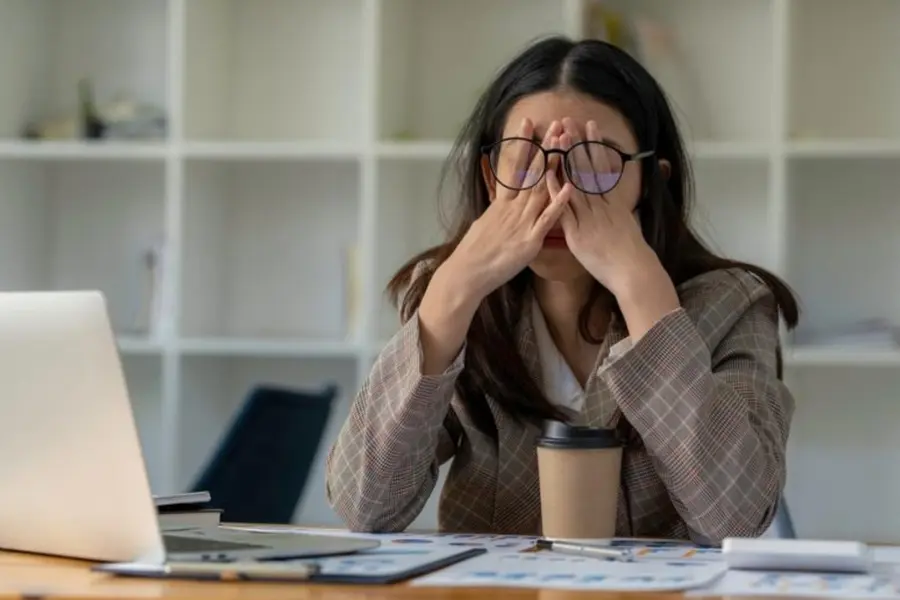
Stress has become a permanent feature of today’s world. Everyone feels stress, from people managing a work deadline to others worrying about finances or struggling with personal issues. Stress is known to be a contributor to many diseases and conditions like heart disease, gastrointestinal disorders. It may include even diminished immune function. But can stress, in fact, even contribute to something as severe as cancer? A Hyderabad oncologist has given his insights to untangle the confusion.
Fact vs. Fiction: the Science Behind It
Dr. Saadvik Raghuram, an Oncologist at Arete Hospitals, revealed this matter of concern through an Instagram post on the 19th of October. He stated that the idea of chronic stress as a risk factor for developing cancer is not as straight forward as people believe. This is despite stress being detrimental to both physical and mental health.
“Does being chronically stressed mean you are at risk of cancer?”
“Let’s separate fear from fact”! The hormones associated with stress can alter cancer tumor growth. Dr. Raghuram said slew of information from laboratories and animal studies have demonstrated. Stress modifies how the immune system functions increases inflammation and disrupts the proper repair of DNA. All of this can provide a breeding ground for healthy cancerous cells to proliferate.
However, he was quick to note that evidence from human trials creates an even more complicated picture. In some studies, long-term stress was correlated with increased risk of cancer. While other studies reported no significant relationship.
Why People Respond Differently in Human Bodies
Dr. Raghuram noted that the human body functions in an extremely complex environment. On the other hand, studies completed in the laboratory do not. “There are many factors – genetics, lifestyle, environment, emotional health. These help to determine what happens in a person’s body,” he continued.
“Even though controlling stress is important for your overall health status, the relationship between stress and cancer in humans is not very conclusive,” he said. “There are just too many biological and behavioral components.”
Dr. Raghuram agrees that stress alone may not cause cancer. It can lead to behaviors that are risk factors to a person’s health – such as excess eating, not getting sleep, smoking and drinking alcohol. Behaviors such as these act over time as a burden on immunity and health status, thereby affecting cancer risk indirectly.
Concentrate on What You Can Manage: Stress Control for a Better Life
Despite worrying if stress is linked to cancer, Dr. Raghuram wants you to focus on what you can manage.
A balanced lifestyle is essential to keeping the body healthy. Regular exercise, actionable food, sleep, sleep, and taking care of mental health can help alleviate the damaging effects of stress for a long period of time.
In addition, he encourages people to practice stress management strategies like meditation, yoga, deep breathing, and/or psychotherapy. “In summary, having a focus on healthy lifestyle practices, regular health checks, and mental health is another good way to mitigate overall health risk,” Dr. Raghuram stated.
The Summary: Reduce Stress, Improve Life
Dr. Saadvik Raghuram ended by saying, “Awareness of stress, its effects, and learning to manage stress can improve quality of life, even if there may be no direct connection to cancer.”
Although science attempts to unravel the complicated relationship between stress and cancer, one point is clear — chronic stress is damaging to our mental and physical health. In terms of your future well-being, doing something about mental health is one of the best things you can do for yourself.
Today’s health news share recommendations from experts like Dr. Raghuram that it’s not simply about eliminating stress – which is nearly impossible – but instead, it’s about coping with it. In the end, peace of mind may be one of the strongest forms of prevention we have.



The connection between chronic stress and immune suppression is something a lot of us ignore until physical symptoms actually force a pause. Reading an oncologist lay out how long-term strain affects the body is a good reminder to treat downtime as preventive care rather than an afterthought.
I ended up putting together a short explainer reel on work-life stress for our audience recently. I was testing localized prompts using Veo 3.1 as our генератор видео to build a simple four-second cut of someone stepping away from their laptop for a walk. Took about two minutes to render something clean enough to use without having to sift through generic stock clips.
This was a helpful read. The way you explained “Stress and Cancer Connection Explained by Oncologist – The News Buzz” made the main point much clearer.
Visit animezerocodes.net
The point about stress driving indirect behaviors like poor sleep and overeating feels like the real takeaway here, since those are the levers most of us can actually pull. I’ve noticed that when I’m anxious about bigger-picture stuff, I tend to cope by doomscrolling rather than addressing it head-on, which just feeds the cycle. Oddly enough, taking a free 12 axes political quiz was a small but useful way to channel that restless energy into something structured and reflective instead of another rabbit hole. Raghuram’s framing that stress isn’t directly carcinogenic but shapes risk through behavior seems right, and it’s a good reminder to focus on the controllable inputs.
Reading about the stress and cancer link, what stuck with me was how much of it comes down to the immune system quietly taking the hit. It’s easy to treat “manage your stress” as filler advice, and the piece makes a decent case that there’s real biology sitting under it.
Separately, I went down a rabbit hole last week trying to work out how those code-made showreels were actually built. I landed on a gallery where the videos are ranked by views, and for 27 of the 70 the creator’s own prompt sits right beside the video — one short sentence that a lot of people apparently reran. Not everything there has a prompt, and the videos belong to the people who made them; most of them came out of writing code rather than a video model, which is where I first ran into the phrase Opus 5.5 motion graphics. It’s a strange little corner of the internet, but it answered the question I had.
This was a helpful read. The way you explained “Stress and Cancer Connection Explained by Oncologist – The News Buzz” made the main point much clearer.
Find out about vectorcraft.online
This was a helpful read. The way you explained “Stress and Cancer Connection Explained by Oncologist – The News Buzz” made the main point much clearer.
Check out roadsterai.org
Chronic stress wearing down the immune system is something a lot of us in fast-paced jobs tend to ignore until physical symptoms actually force a pause. Reading an oncologist break down how prolonged cortisol spikes impact cellular health is a sobering reminder that treating back-to-back crunch weeks as normal comes with real physical costs.
Lately I’ve been trying to cut down on daily micro-stressors in my own design workflow just to keep reasonable hours. When I was putting together visual assets for an awareness deck last week, I leaned on GPT Image 2.5 to tweak a couple of small elements in a graphic without wiping the rest of the frame. It did not nail every prompt on the first try, but having an edit leave the clean parts untouched saved me an hour of frustrating re-renders before signing off for the night.
Fascinating read on the nuanced stress-cancer link — great to see oncologists clarifying myths with real science. While we can’t control every health variable, we *can* lighten daily mental load in fun, low-effort ways. If you’ve ever scrolled TikTok craving a laugh without the guilt of doomscrolling, try generating your own “POV: your first time in a fancy cafe” clip in seconds — no filming, no editing, just one photo and 10 seconds of pure, harmless whimsy. It’s oddly therapeutic!
Try it here
A thoughtful reminder that the relationship between stress and cancer is complex, and that focusing on healthy habits and mental well-being matters regardless. Sometimes a little creative fun can also brighten the day: https://bulin-47.app lets you add your photo to the viral Bulin 47 x Kevin Wai freestyle video, with Spanish and English options starting at $9.99. A playful way to share a laugh with friends—while keeping health decisions grounded in expert advice.
A helpful reminder that stress management supports overall well-being, even when its direct connection to cancer remains uncertain. Small steps like better sleep, regular exercise, and creating a calmer home environment can make daily life feel more restorative. For anyone considering a room refresh as part of that process, https://roomglint.com lets you upload a room photo and explore AI-generated designs in styles such as Scandinavian, minimalist, or Japandi while keeping the existing layout in mind.
A thoughtful overview of a complicated topic. It’s helpful to distinguish what lab research suggests from what human studies can actually conclude, while focusing on practical ways to support overall well-being. For anyone who wants to review health videos without sitting through every minute, https://summarizeyoutubevideos.com can turn a YouTube link into a quick AI summary, key points, timestamped chapters, and a transcript—no signup or installation required. It can also transcribe videos without captions, making it easier to revisit expert discussions and find the sections you want to explore further.
A helpful reminder to separate what research suggests from what is firmly established, especially on a complex topic like stress and cancer. Reading the underlying studies can add useful context, though long research papers and scanned PDFs aren’t always easy to work with. For extracting text from research images or PDFs, https://glm-ocr.com is a free online AI OCR tool that can also convert tables to Markdown and formulas to LaTeX. It may make source material easier to review while exploring the evidence.
A helpful reminder that the relationship between chronic stress and cancer is complex, and that managing stress can still support overall well-being. Clear, thoughtful communication matters when discussing nuanced health topics. For creators looking to explore visual storytelling, https://kling40.org is presented as an upcoming AI video model with text-to-video and image-to-video tools, native 4K, multi-shot editing, multilingual audio, and physically accurate motion. It could be an interesting option for turning complex ideas into engaging video narratives.
A thoughtful reminder that stress management is about supporting overall well-being, not drawing simple conclusions about cancer risk. Alongside healthy routines and professional support when needed, creative activities can offer a welcome change of pace. I’ve been exploring imagined landscapes with Project Genie, an AI world-generation platform where you can turn a text prompt or reference image into an explorable 3D world right in your browser. It’s an interesting way to bring a calming scene to life and explore it at your own pace: https://project-genie.ai
A thoughtful reminder that stress management is about practical, sustainable habits—not assuming one factor explains everything. Small ways to make everyday routines feel easier can also be worthwhile. If choosing an outfit adds friction to your morning, https://aiclothes.ai lets you upload a photo and try clothing references or text-described looks virtually, with optional pose adjustments. It’s a simple way to preview outfit ideas before getting dressed, without treating it as a substitute for professional health advice. What everyday routine do you find most helpful for keeping life a little calmer?
The information here is worth considering. The information gives readers a sensible place to continue their research. Keep up the informative work.
The article’s distinction between laboratory findings and human evidence is important—stress management supports overall health, even though its direct link to cancer remains uncertain. For a similarly careful approach when comparing AI subscription and API options, https://priceai.io shows official prices alongside channel quotes, with delivery details, stock status, and last-confirmed times. It’s a comparison platform, not a seller or payment intermediary.
This is a helpful reminder to distinguish what research suggests from what it can actually prove, while focusing on practical ways to support overall well-being. Clear, thoughtful health communication matters, especially when a topic can cause anxiety. I’m also interested in how emerging video tools could help explain complex science through engaging visual storytelling. Veo 4 is anticipated to offer text-to-video creation with native dialogue, sound effects, and ambient audio, alongside 4K upscaling and cinematic camera controls. You can explore the experience at https://veo40.net.
Thanks for explaining the difference between early research findings and what human studies can actually conclude. The reminder to focus on manageable habits—sleep, exercise, and mental well-being—feels especially helpful without overstating stress as a direct cause of cancer. Clear visual storytelling can also make complex health topics easier to follow. I’ve been exploring https://seedance30.org, an independent AI video tool for turning text, images, and audio into cinematic videos, with multi-shot creation and native audio-video synchronization. It could be useful for creating engaging educational explainers while keeping the message thoughtful and accessible.
This was a helpful read. The way you explained “Stress and Cancer Connection Explained by Oncologist – The News Buzz” made the main point much clearer.
A look at masteroffish.online